The rarest of the rare
Investment Coloured Diamonds
A natural coloured diamond is the rarest of all diamonds — of ten thousand polished diamonds, only a single one shows pronounced colour. We select diamonds with a natural fancy colour confirmed by GIA, a documented origin and a unique gemological identity.
Featured pink diamond
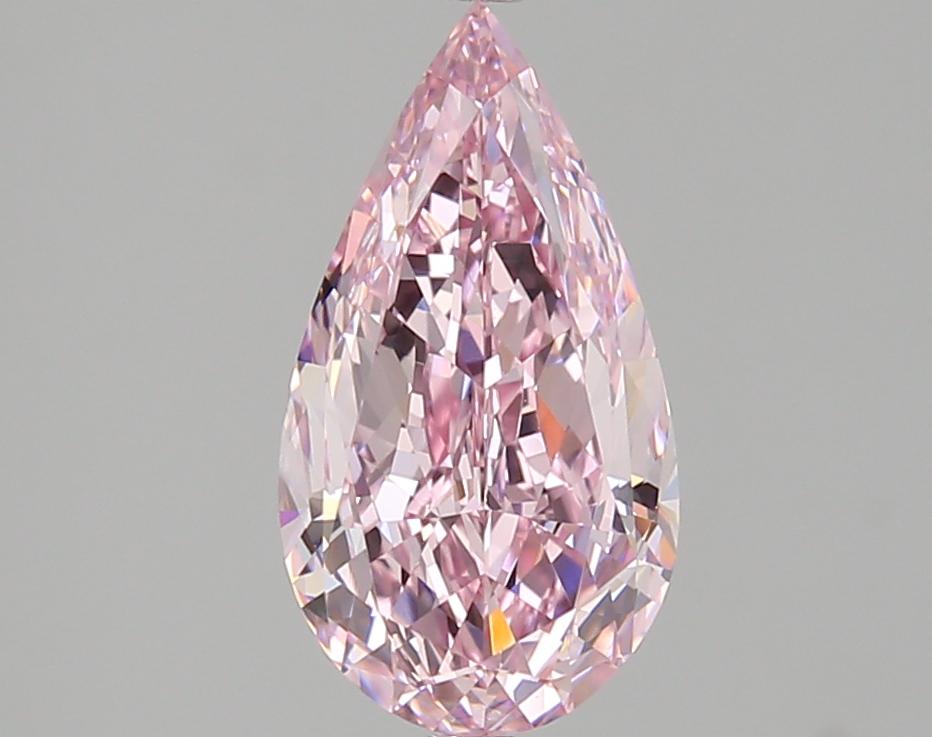
2.01 ct · · VS2

Pear
€2,628,738.00
incl. 21% VAT
Disclaimer: this page is educational in nature and is not financial or investment advice. Coloured diamonds are not a regulated financial product and their price can fall as well as rise over time. We state no percentage appreciation and offer no guaranteed return or guaranteed buy-back. Historical and gemological facts are given with their source; they are not a promise of future value.
Why coloured diamonds
The three pillars their value rests on
Natural fancy colour combines finite geological rarity, independent verification and documented demand. No promises of return — only verifiable facts based on GIA and FCRF data.
1 in 10,000
Rarity
Only one in ten thousand polished diamonds shows pronounced colour. For deeply blue, green and red hues it is less than a tenth of a percent of all diamonds graded by GIA.
GIA
Certification
GIA grades fancy colour on a separate nine-step intensity scale and, for diamonds from 0.30 ct, confirms the natural origin of the colour. The certificate is objective and verifiable anywhere in the world.
◆
Demand
The most saturated natural hues have long held strong international demand. Record diamonds trade at the world's leading auctions — as evidence of exceptional rarity, not a promise of profit.
from 280,000 Kč for a certified natural coloured diamond · incl. 21 % VAT
Request a consultationA finite resource
Diamonds are a finite resource — coloured ones most of all
Diamonds formed deep in the earth's mantle over hundreds of millions to billions of years, and their deposits are finite. The Fancy Color Research Foundation (FCRF) notes that a substantial share of the world's mines will exhaust their reserves within roughly two generations — and new mining will not replace them. Coloured diamonds, meanwhile, make up just a fraction of a percent of all diamonds ever mined.
40 mines · 90 %
Concentrated production
Forty mines account for 90 % of the world's diamond production; only a small share of them have a working life beyond forty years. As mines run out, less new rough remains for every colour and quality.
A fraction of a %
Coloured ones are a rarity
Of the finite number of diamonds ever mined, only a fraction of a percent are fancy coloured. The rarer the colour and the higher the intensity, the smaller the quantity available worldwide.
Secondary market
The largest “mine”
As new mining declines, the secondary market is taking over as the largest source — exceptional diamonds bought in the 1970s–90s that now pass between generations and return to circulation.
Figures on mine lifespans and supply structure draw on FCRF analyses and industry sources (2019), relative to that year. We give them as a description of rarity and long-term supply dynamics — not as a promise of future price.
Pink diamonds
Pink diamonds — when the source runs dry
No colour illustrates the end of mining as vividly as pink. For many years the Australian Argyle mine supplied the overwhelming majority of the world's natural pink and purple diamond production. In November 2020 it ceased mining — and with it, according to the FCRF, “an entire species” of fine pink and red diamonds is disappearing. No comparable commercial source exists.
What is more, Argyle never sold its finest pink diamonds through ordinary wholesale — it offered them in quiet tenders and quarterly allocations to selected firms. Pink is therefore often regarded as the lead colour of the whole fancy category: its rarity raises interest in every natural coloured diamond. Diamonds under one carat tend to be the entry point; the most saturated hues are among the most expensive diamonds in the world.
Where pink comes from
Unlike yellow (nitrogen) or blue (boron), pink and red colour arises from plastic deformation of the crystal lattice under high pressure and temperature deep in the earth. The natural origin of the colour cannot be determined by eye — only a certificate confirms it. (Source of gemological data: GIA.)
What auctions tell us about pinks
Sources: Sotheby's press releases. The closure of the Argyle mine and the rarity of pink diamonds are documented geological and commercial facts — not a promise of future value or a guaranteed return.
Selected pink diamonds from our offer
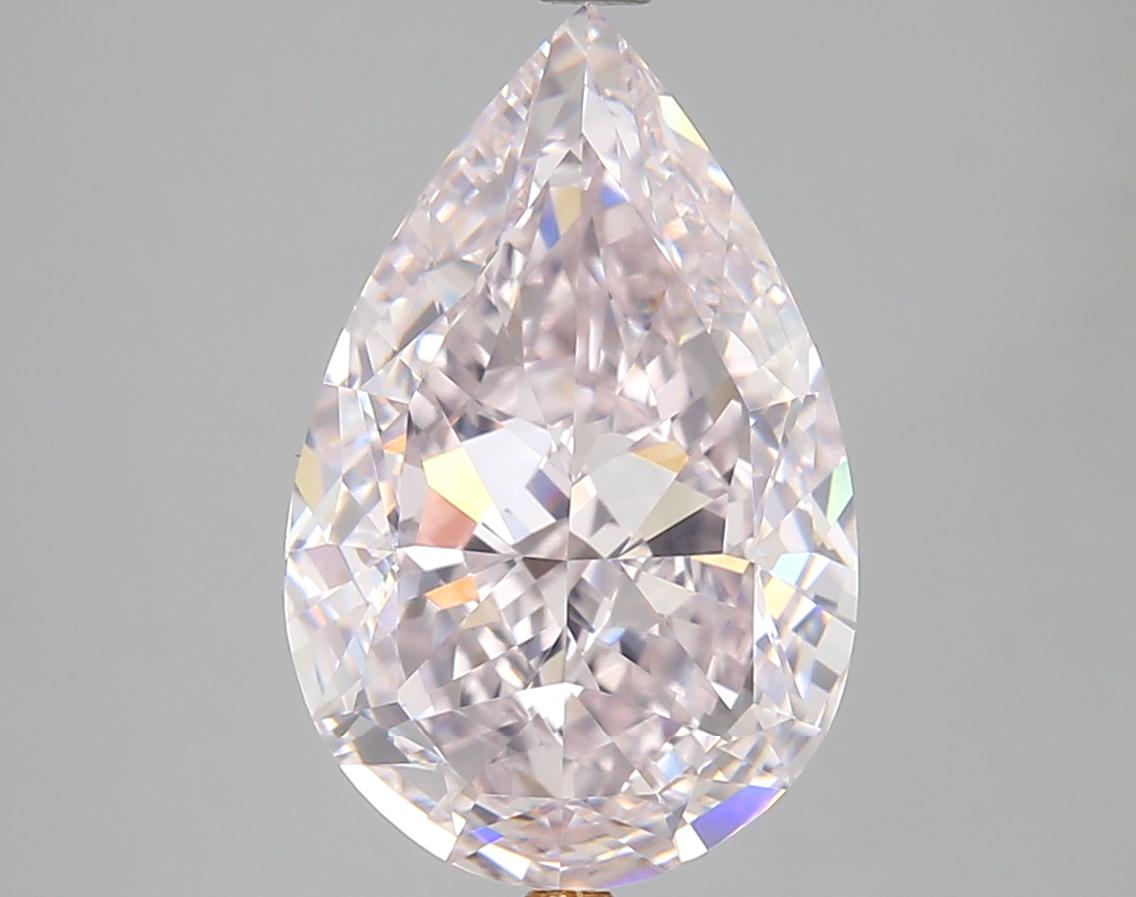
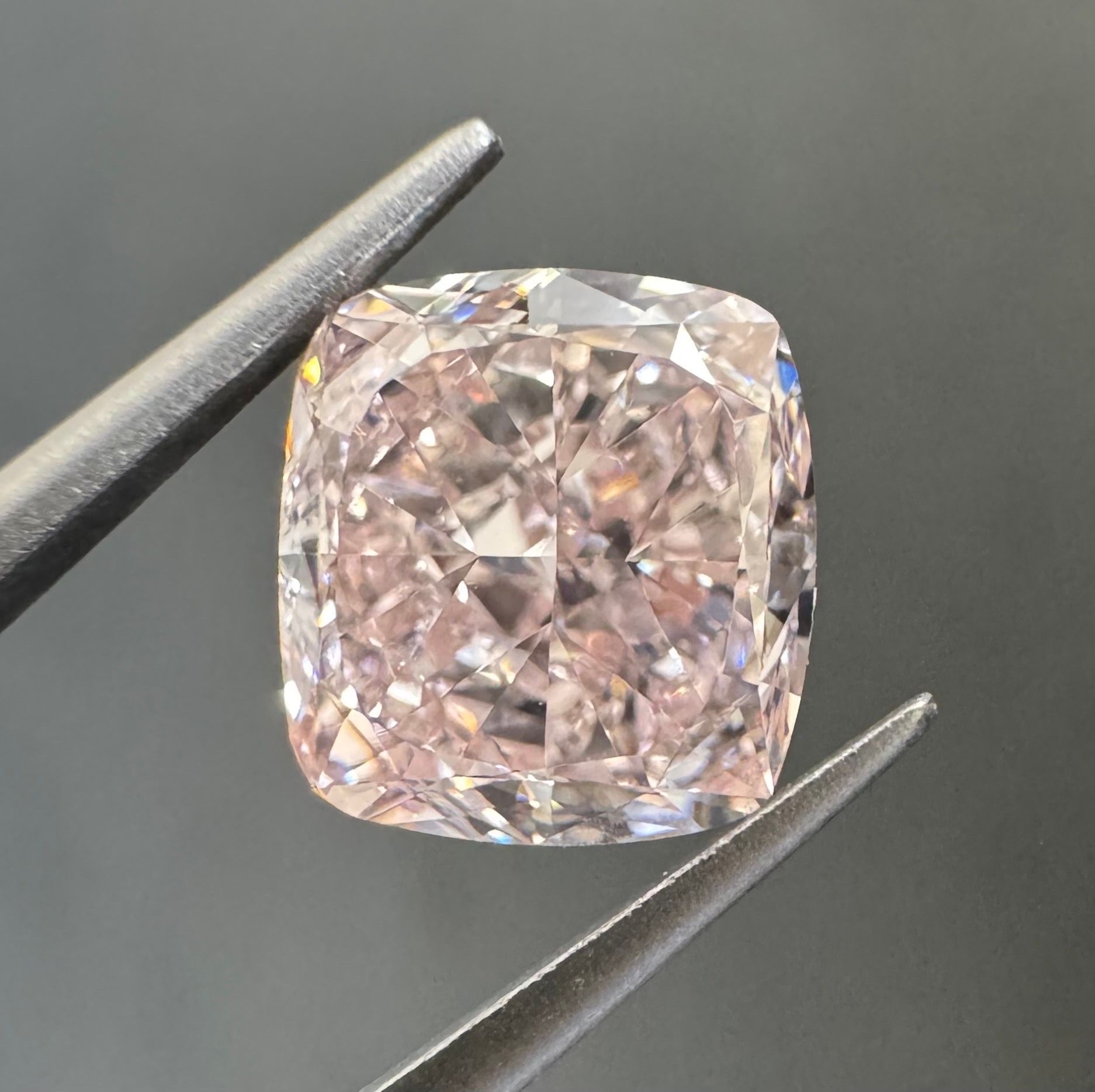
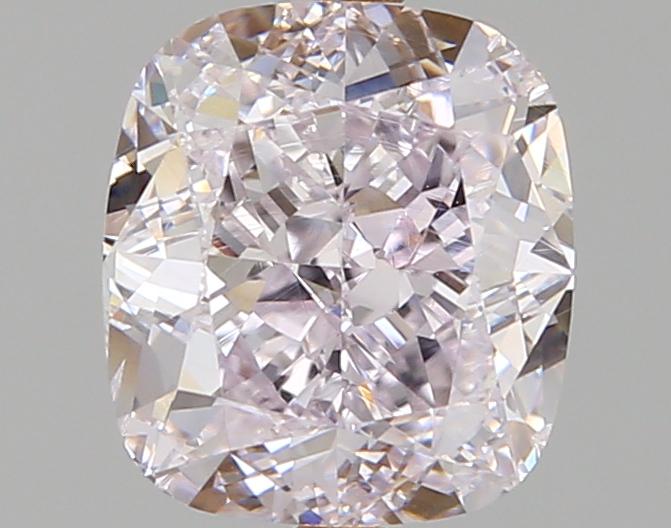
Looking for a pink diamond with natural colour?
We will source a certified pink diamond in the hue and intensity grade you want — from more accessible diamonds under one carat to deeply pink solitaires, always with a confirmed natural colour origin.
Rarity by colour
Which colours are the rarest
Rarity varies markedly across hues. Red, blue and pink are among the rarest; yellow and brown are more accessible and form a natural entry into the category. This overview is an indicative educational guide, not a price table.
Swipe to see the full table
| Colour | Rarity | Cause of colour (per GIA) | Note on availability |
|---|---|---|---|
| Red | The rarest | Plastic deformation of the lattice (550 nm band) | Extremely rare; the largest known diamonds are only a few carats. |
| Blue | Very rare · <0.02 % | Boron in the lattice (type IIb) | Consistently among the strongest colours on the auction market. |
| Pink | Very rare | Plastic deformation of the lattice | The closure of the Argyle mine (2020) removed over 90 % of world production. |
| Purple | Rare | Hydrogen defects with nitrogen | Mostly from the Argyle mine; a new commercial source practically does not exist. |
| Orange | Rare in pure form | Nitrogen defects | Without modifying hues it is exceptional; high records per carat. |
| Green | Rare with natural origin | Natural radiation (GR1 defect) | Natural origin requires spectroscopic verification in a laboratory. |
| Yellow | More accessible | Nitrogen in the lattice | The widest entry into the category; value rises with the intensity grade. |
| Brown (champagne / cognac) | The most accessible | Vacancy clusters | Trade names must not overshadow the GIA colour grade. |
Source of gemological data: GIA. “Champagne” and “cognac” are trade names, not GIA grades.
Green — the only “natural treatment”
Green is the only colour that forms after the diamond has reached the surface: it is caused by natural radiation from surrounding minerals, which knocks carbon atoms out of the lattice. Natural green diamonds are not radioactive — the source of the radiation is no longer present. Because the colour often sits only in a thin layer beneath the surface, cutting is exceptionally demanding, which further increases their rarity. (Source: FCRF, “Green Color in Diamonds”.)
Guides by colour
Explore each colour in depth
Every colour has its own story — its origin, its rarity and how it is graded. Open the detailed guide.
GIA grading
Hue, tone and saturation — and the intensity grade
For white diamonds the goal is the absence of colour (the D–Z scale). For coloured diamonds the opposite holds: the more saturated and pure the hue, the rarer the diamond. GIA therefore grades coloured diamonds on an entirely separate scale.
GIA intensity scale
Faint → Fancy Vivid
The Fancy Vivid grade is the most sought-after for most hues. GIA describes darker tones separately as Fancy Deep and Fancy Dark. The main driver of value is saturation.
Hue, tone and saturation
Hue
The characteristic colour of the diamond. GIA distinguishes 27 hues across the spectrum. A pure, unmodified hue (e.g. “Fancy Vivid Yellow”) is rarer and more valuable than a hue with secondary tones.
Tone
The relative lightness or darkness of the colour — from very light to very dark. A balanced, medium-saturated tone shows best when viewed from above, the way a gemologist grades the diamond.
Saturation
The depth and strength of the colour — the main driver of value. It is saturation that moves a diamond from “Fancy” to “Fancy Intense” and “Fancy Vivid” and decides its classification and its price.
Valuation
What decides the price — and in what order
According to the FCRF, the price of a fancy diamond is more a qualified estimate than a fixed price list. It is made up of measurable gemological parameters and of demand, which changes over time. We list the factors roughly in the order of their influence on price.
Colour and saturation— most important
The main price-setting factor. The higher the saturation (Faint → Fancy Vivid), the rarer the diamond and the more pronounced the premium. A pure, unmodified hue is more valuable than a hue with secondary tones.
Colour distribution— dispersion
An even colour, with no colourless areas, is markedly more valuable than uneven colour or colour with a dark or colourless rim. Even within the “even” grade there is a wide quality range.
Clarity— clarity
For coloured diamonds clarity plays a far smaller role than for white ones. For the rarest colours (e.g. Vivid Blue) its effect on price is practically negligible — the rarity of the colour decides.
Fluorescence
Its effect is often overstated. According to GIA, fewer than 0.2 % of fluorescent diamonds show a hazy effect; low to medium fluorescence has no aesthetic impact, and complementary fluorescence can even strengthen the colour.
Cut and symmetry
For coloured diamonds it is the alignment of facets that deepens the colour that decides — not symmetry, as with white diamonds. Diamonds are often cut “free-style” to enhance the colour; the importance of polish and symmetry is often overstated here.
Depth
A shallower diamond looks larger than its weight would suggest. With the colour preserved it can carry a premium — most coloured diamonds, after all, are cut rather deep.
Methodology source: The Fancy Color Research Foundation (FCRF), “Valuing a Fancy Color Diamond”. Gemological terms per GIA. Value changes over time with demand — neither rarity nor size alone guarantees the price.
Three categories
Natural, treated and laboratory colour
These three categories are commercially separate, valued differently and never confused. We regard transparent labelling as an ethical foundation — honesty is part of the value.
Natural coloured diamond
The colour formed through geological processes over millions to billions of years. GIA confirms the colour origin as “Natural”. This category carries the highest value, and for storing value we choose it exclusively.
Diamond with treatment-altered colour
A natural diamond whose colour has been altered in a laboratory — most often irradiation-treated colour followed by annealing, or by the HPHT process. The treatment is stable and legitimate, but must always be disclosed. Treated colour is markedly cheaper than natural, and we always include the word “treated” in the diamond's description.
Laboratory-grown coloured diamond
A diamond chemically and physically identical to a natural one, created under controlled conditions by the CVD or HPHT method. GIA issues a separate report for it (LGDR). We offer it transparently labelled and at a more accessible price. We use exclusively the term “laboratory-grown”.
How do I tell natural colour from treated?
The only reliable proof is an independent certificate. For natural colour the GIA certificate states colour origin “Natural”; for treated diamonds it states the type of treatment (e.g. irradiation-treated colour). Without a certificate, the origin of the colour cannot be determined by eye or by guesswork.
Store of value
Tangible, portable, passed on
The FCRF describes a natural coloured diamond as a “guardian angel of portable wealth” — an object of beauty that can be worn and discreetly passed on to the next generations. This is how we approach coloured diamonds too: as a store of value, not as a yield-bearing instrument.
Portability
Extraordinary value in pocket format. A diamond takes up no space and carries no maintenance costs — unlike art, cars, wine or real estate.
Inheritance
As a personal, wearable object it passes to loved ones in most countries without lengthy proceedings. The value stays in the family and travels across generations.
Discreet liquidity
A coloured diamond in a piece of jewellery can be sold privately and anywhere in the world, with no tie to a public price list. The collectors' market for the most saturated hues is international.
A long horizon
The FCRF stresses that this is a long-haul asset — an object of beauty and rarity, not a speculation on quick gains. Patience is part of the story.
By “store of value” we describe beauty, durability and gemological rarity — not future appreciation. A privately held diamond generates no yield. For financial decisions, consult your own financial adviser.
From our selection
Selected coloured diamonds from our offer
A sample of natural coloured diamonds with a GIA certificate and a confirmed natural colour origin. Each diamond is unique — once it is sold, it cannot be replaced.

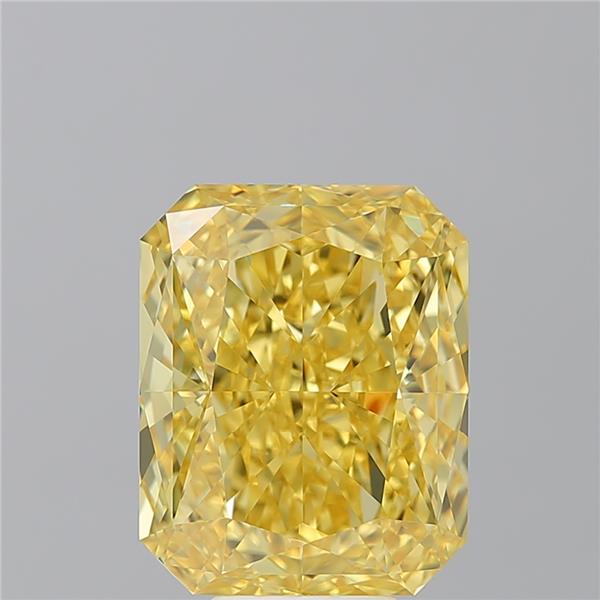
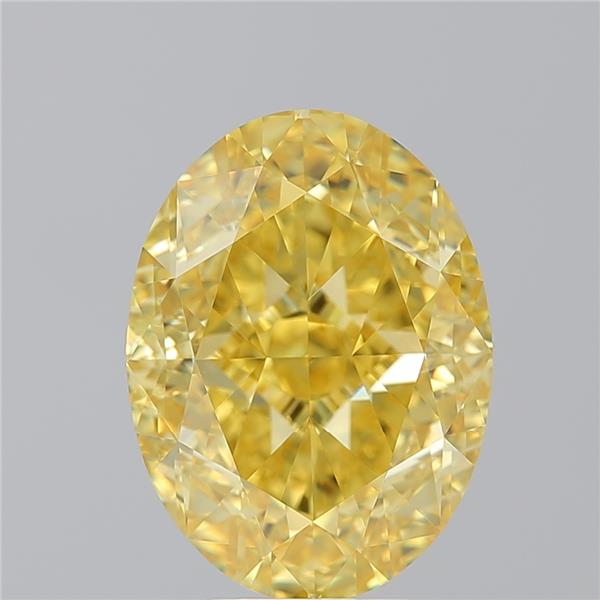
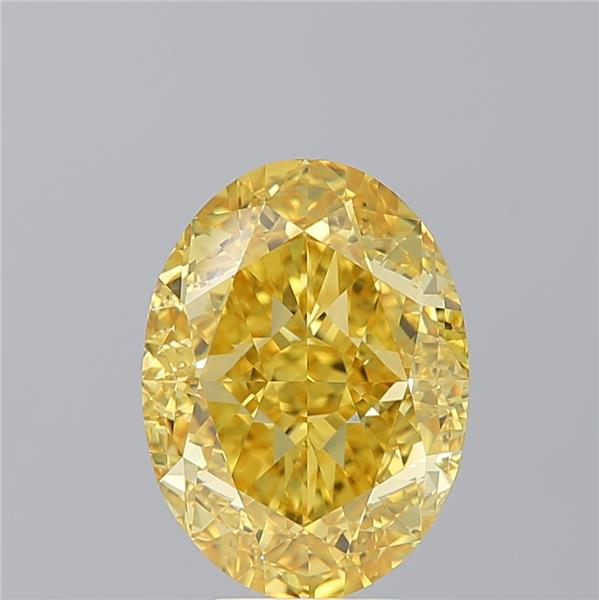
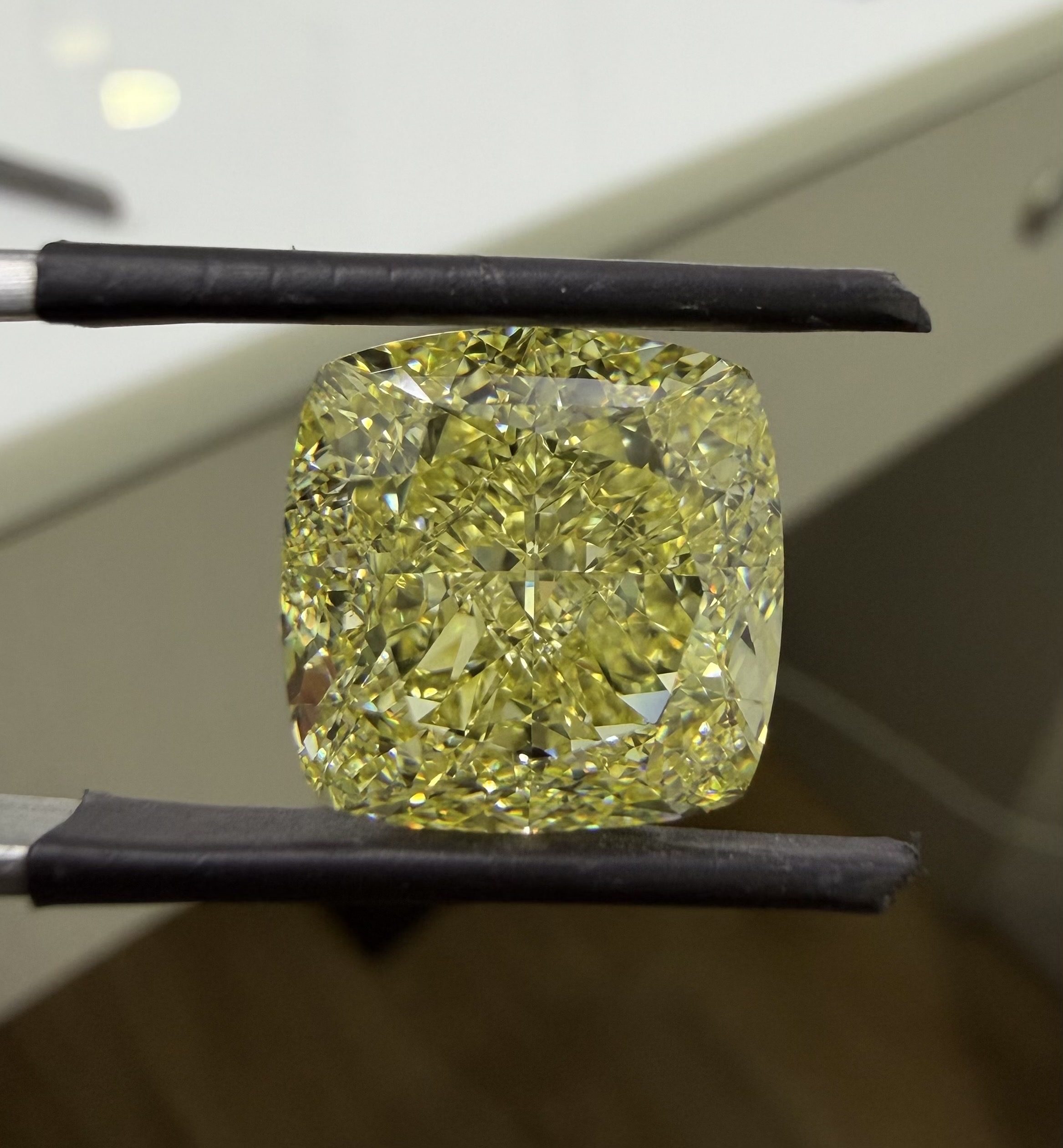
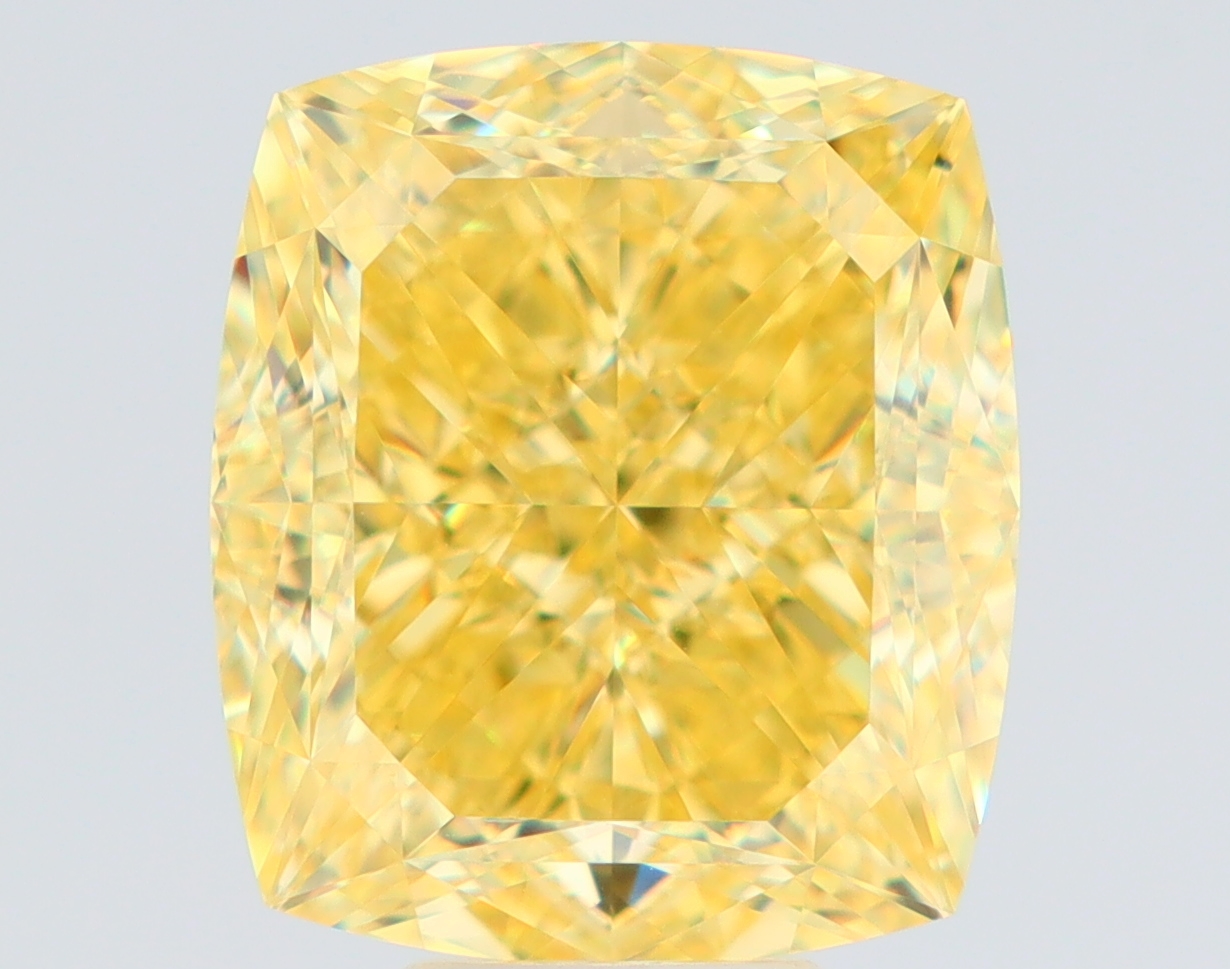
We confirm availability, specifications and price during a consultation. Prices incl. 21 % VAT.
Record diamonds
What auctions tell us about rarity
We present the following diamonds as documented historical facts — they illustrate how the market valued exceptional natural coloured diamonds across colours. This is not a promise of future value.
Sources: Sotheby's and Christie's press releases. According to the FCRF, however, auction prices do not mirror the ordinary retail market — diamonds that failed at wholesale often end up at auction. Historical auction facts are not an indicator of future value.
„In white diamonds we look for the absence of colour. In coloured ones, for the colour itself — and the purer and more saturated it is, the rarer the diamond.“
Arete Diamond gemological department
Before you buy
Eight things you should know
Practical guidance from the Fancy Color Research Foundation for choosing a natural coloured diamond — what really matters and what to watch out for.
Colour above all
Value is driven by beauty, the quality of the colour and rarity. Polish, symmetry and clarity — parameters created for white diamonds — play a smaller role for coloured ones.
Judge in daylight
View the diamond away from artificial lighting, ideally by a window or in direct sunlight — that is the light you will most often wear it in.
The certificate date says nothing about quality
Exceptional coloured diamonds remain in inventory for many years. An old date on a GIA report is neither a drawback nor a warning sign.
Understand the rarity of the specific diamond
Find out how many similar diamonds enter the market each year. Rarity completes the story and the value of the diamond and puts your purchase in perspective.
Auction prices are not a market price list
Diamonds that failed at wholesale, or old collections destined for recutting, often end up at auction. Most sell below the market price. (FCRF)
Beware the “public price”
A publicly known price tends to stay fixed for a long time and can hinder a future sale. The FCRF calls it the “kiss of death” for later liquidity.
Insist on the colour origin
The only reliable proof of natural colour is an independent certificate. Without it, you cannot determine the origin of the colour by eye or by guesswork.
Buy from a knowledgeable jeweller
A reliable seller knows the diamond's origin and the production process, and gives you confidence that the price matches the overall quality of the diamond.
Source: The Fancy Color Research Foundation, “8 Things You Need to Know Before Buying a Fancy Color Diamond”.
Frequently asked
What clients ask
Request a consultation
Let's choose a coloured diamond with natural colour together
Guided by your intentions and budget, we will source a natural coloured diamond in the hue and intensity grade you want — always with a GIA certificate and a confirmed natural colour origin. We will hand it over, with complete documentation, in our Czech goldsmith workshop.
Request a consultation